


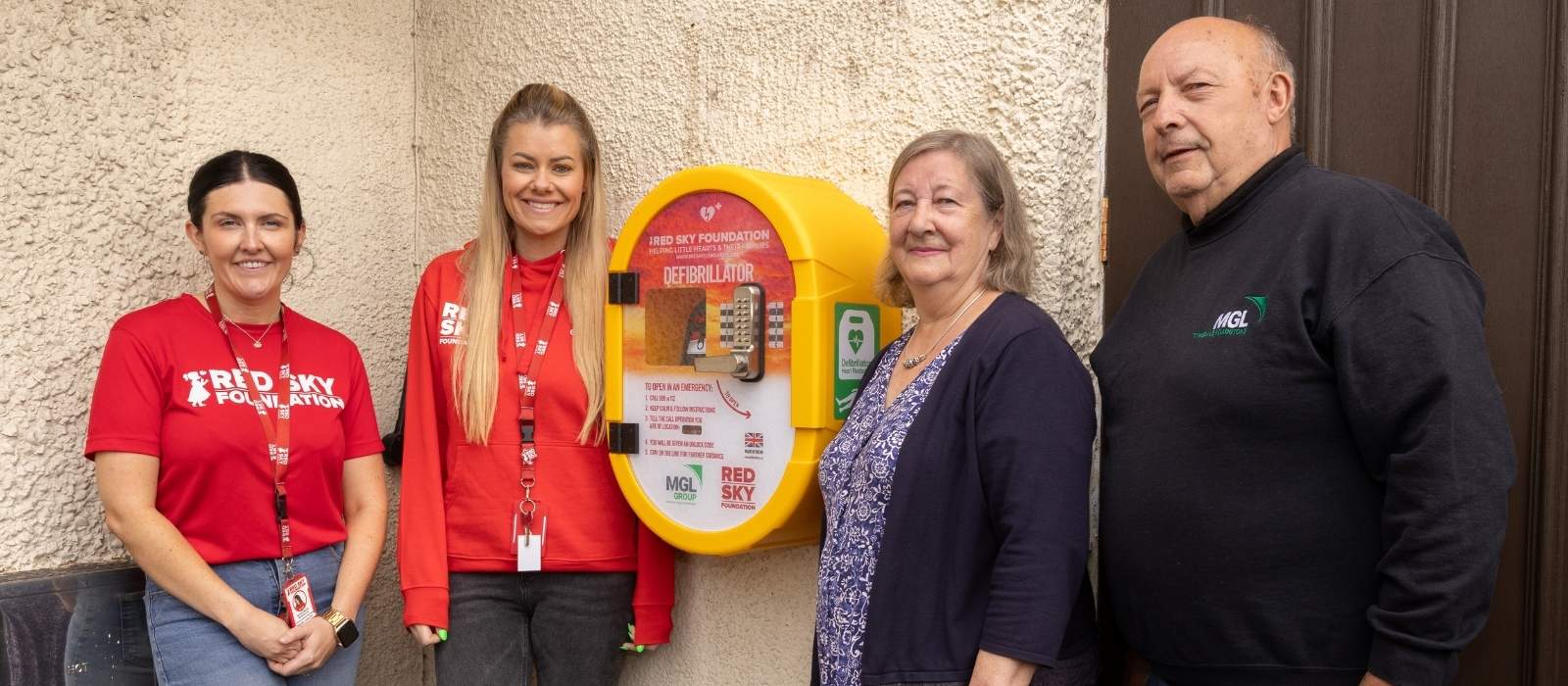
MGL Group has funded the installation of a new defibrillator in the village of Middleton Tyas, helping to ensure that life-saving equipment remains available to local residents and visitors.
The replacement unit has been installed to replace the previously defunct defibrillator and is located in a central position within the community, providing access to emergency support when it is needed most.
Head of Research and Product Development, Dave Whitehouse, joined Middleton Tyas Parish Clerk Christine Jones and representatives from North East charity Red Sky Foundation to officially unveil the new defibrillator on behalf of the business. Red Sky Foundation works to improve public access to defibrillators and raise awareness of cardiac health.
The installation is the latest project delivered through MGL Group’s ongoing partnership with the Red Sky Foundation. Over the years, the relationship has helped to provide communities with access to vital equipment that can make a significant difference in emergency situations.
Located just over a mile from MGL Group’s asphalt plant and quarry in Barton, Middleton Tyas is one of several communities neighbouring the Group’s operational sites. Supporting local initiatives and investing in projects that benefit residents remains an important part of the company’s commitment to creating positive social value in the areas where it operates.
The new defibrillator will help ensure that emergency equipment is readily available within the village and can be accessed quickly should it ever be required. While no one hopes to see a defibrillator used, having one available within a community can provide reassurance and potentially save lives when every second counts.
Further defibrillator installations are already planned through MGL Group’s partnership with the Red Sky Foundation, with additional units set to be installed in the Blyth area later this year.
This latest investment reflects MGL Group’s continued commitment to supporting the communities around its sites, helping to create safer, healthier and more resilient places to live and work.
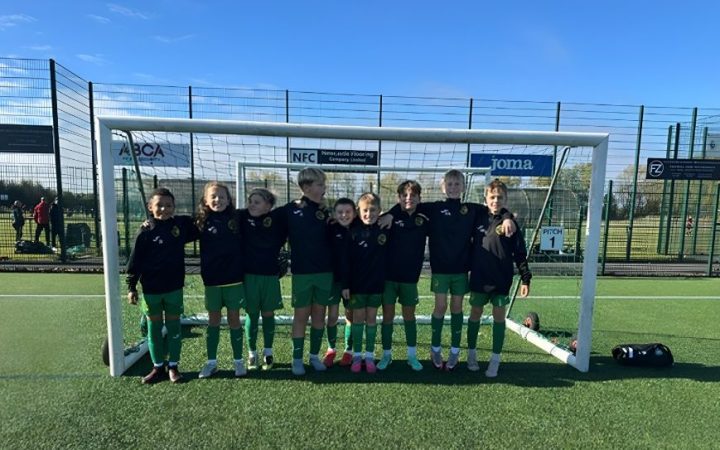
MGL Group, through their charitable arm MGL Foundation Trust, is proud to be...
Social Value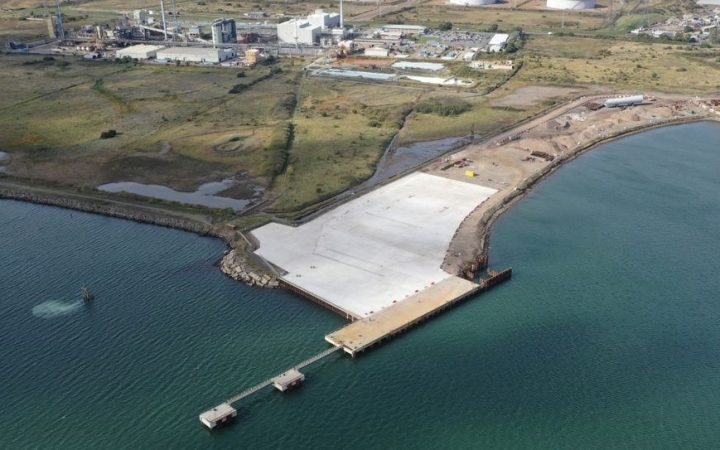
Rainton Construction has successfully delivered a specialist concrete dismantling pad for Able UK’s...
Company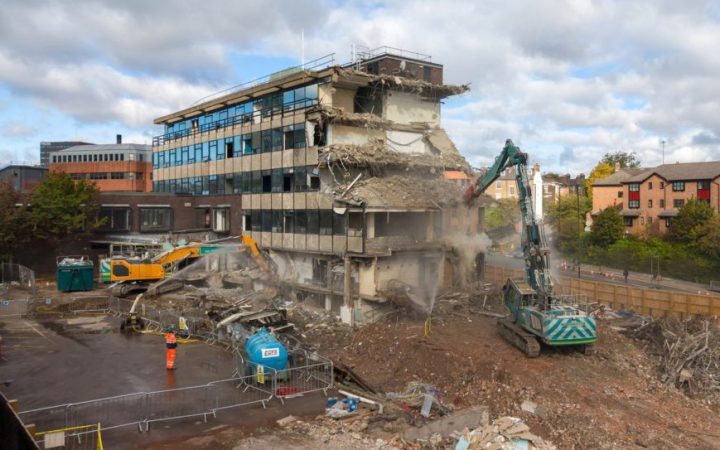
MGL Demolition are currently undertaking a technically challenging urban structural demolition of the...
Company

